What is smart ship technology & how does it work & help in a ship's working efficiency as well as monitoring from shore?

By Anurag Garg (Co-founder) September 09 2024

What is smart ship technology & how does it work & help in a ship's working efficiency as well as monitoring from shore?

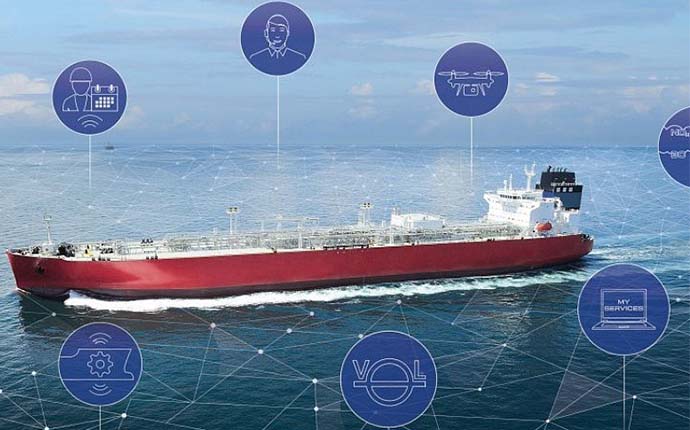
Smart ship technology represents a transformative leap in maritime operations, integrating advanced digital solutions to enhance the efficiency, safety, and sustainability of shipping. It employs a comprehensive suite of Internet of Things (IoT) devices, Artificial Intelligence (AI), data analytics, and cloud computing to create a fully connected vessel capable of self-optimizing its operations and providing real-time insights to shore-based management teams.
Key Components of Smart Ship Technology:

  • IoT-Enabled Sensors:
    A smart ship is embedded with an extensive network of IoT sensors distributed across critical systems, including the engine, propulsion, hull, and navigational systems. These sensors continuously monitor a wide array of variables such as engine performance, fuel usage, weather conditions, structural integrity, and cargo status. The data captured is precise and instantaneous, offering granular insights into the ship's operational state.
  • Data Aggregation and Transmission:
    The vast amounts of sensor data are relayed to a central computer system aboard the ship. This data is processed and aggregated in real time, forming a comprehensive picture of the vessel's current performance. Through secure wireless communication systems, the data is then transmitted to shore-based facilities for further analysis and decision-making.
  • Advanced Data Analytics and AI Algorithms:
    Once the data is collected, sophisticated machine learning algorithms and AI-driven analytics come into play. These systems interpret patterns, forecast potential issues, and provide actionable recommendations. By predicting maintenance needs, optimizing fuel efficiency, and guiding route planning, AI enables the ship to operate at peak efficiency, minimizing waste and downtime.
  • Cloud Computing and Remote Access:
    Smart ship technology leverages cloud platforms for data storage and processing. This enables remote monitoring from shore, where teams can access real-time and historical data for performance assessment. Cloud-based systems also facilitate fleet-wide management, allowing operators to track multiple ships and make informed decisions across the entire maritime network.

How Smart Ship Technology Enhances Efficiency and Monitoring from Shore:

  • Dynamic Route Optimization:
    Smart ships continuously process data related to weather conditions, ocean currents, and fuel consumption, enabling AI-driven route adjustments in real time. This reduces transit times and minimizes fuel consumption, ultimately lowering operational costs and reducing carbon emissions.
  • Predictive Maintenance:
    Smart ships use predictive analytics to assess the condition of vital components like engines, generators, and propulsion systems. By detecting anomalies in sensor data, the system can predict failures before they occur, allowing for proactive maintenance. This reduces unplanned downtime, extends the life of equipment, and prevents costly in-port repairs.
  • Enhanced Navigational Safety:
    The integration of smart systems includes advanced navigation aids such as collision avoidance systems and real-time situational awareness technologies. These systems provide constant monitoring of surrounding vessels, obstacles, and environmental hazards, greatly enhancing onboard safety protocols and minimizing the risk of maritime accidents.
  • Centralized Fleet Management:
    Onshore teams can monitor the operational status of an entire fleet from a central command center. Fleet-wide data provides insights into performance trends, enabling more strategic management decisions regarding deployment, scheduling, and resource allocation. This results in an optimized, cohesive fleet operation that enhances profitability and efficiency.
  • Environmental Sustainability:
    Smart ship technology plays a key role in minimizing the environmental footprint of the maritime industry. By optimizing fuel consumption through AI algorithms and intelligent route planning, smart ships significantly reduce greenhouse gas emissions. Real-time monitoring also ensures compliance with environmental regulations, including emissions control areas (ECAs).

Application Examples of Smart Ship Technology:

  • Engine Performance Optimization:
    Through real-time monitoring of key engine parameters such as temperature, pressure, and fuel flow, smart ships can automatically adjust engine settings to maximize efficiency and avoid excessive fuel consumption.
  • Hull Condition Monitoring:
    Sensors embedded in the hull detect any structural weaknesses, leaks, or signs of corrosion. This real-time insight allows for immediate corrective action, preventing hull breaches or significant damage.
  • Weather Forecasting and Route Planning:
    Smart ships are equipped with integrated meteorological systems that continuously receive weather data. The AI analyzes this data to suggest the safest and most efficient routes, minimizing fuel consumption and avoiding hazardous weather conditions.
  • Remote Diagnostics and Support:
    Shore-based engineers can access a smart ship’s operational data remotely, diagnosing issues without the need for physical inspections. In cases where onboard systems encounter faults, experts can provide real-time troubleshooting and guidance, significantly reducing downtime.

Smart ship technology is revolutionizing the maritime industry by providing unprecedented control, efficiency, and safety. Through real-time data collection, advanced analytics, and remote monitoring capabilities, these vessels are equipped to navigate the complexities of modern shipping with greater agility and sustainability. By optimizing every aspect of a ship’s operation, from route planning to maintenance scheduling, smart ships ensure a competitive edge in an industry where efficiency and environmental stewardship are paramount.

Recent Post