
New Seaport Development in India: CNG Terminal at Bhavnagar Port.

By Tarun Goel (CEO) August 15 2024

New Seaport Development in India: CNG Terminal at Bhavnagar Port.

The world's first Compressed Natural Gas (CNG) terminal is set to redefine maritime infrastructure with its ambitious construction near the Bhavnagar Port in Gujarat, India. As a monumental leap in the global logistics and energy sectors, this state-of-the-art terminal will not only enhance India’s maritime capabilities but also cement its position as a leader in clean energy transport solutions.
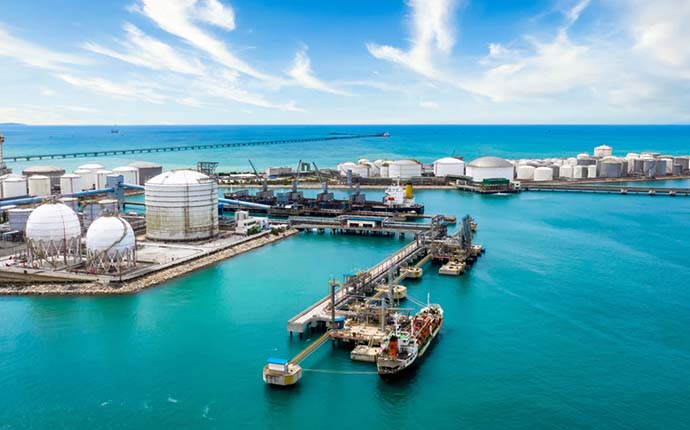
Terminal Overview:

  • Strategic Capacity and Vision: The Bhavnagar CNG terminal is designed to handle an impressive 1.5 million metric tonnes per annum (MMTPA) of cargo. This immense capacity underscores the terminal’s strategic importance, marking it as a pivotal node in India’s maritime logistics landscape. Facilitating large-scale cargo movement and energy transport will help meet the growing global demand for CNG while promoting sustainable shipping practices.
  • Public-Private Partnership and Collaborators: The CNG terminal project is being developed under a Public-Private Partnership (PPP) model, ensuring collaboration between government bodies and private enterprises to maximize efficiency and innovation. The Gujarat Maritime Board (GMB) is spearheading the initiative in partnership with esteemed industry leaders, including the Padmanabhan Mafatlal Group and the Foresight Group. This synergy between public governance and private expertise ensures the deployment of cutting-edge technologies and best practices in terminal construction and management.
  • Construction Timeline and Milestones: Groundbreaking construction of the terminal is projected to commence in the first half of 2023, with completion slated for 2026. This phased development aligns with India’s vision of modernizing its maritime infrastructure, positioning Bhavnagar as a hub for international trade and CNG transportation. Upon completion, the terminal will become a gateway for clean energy distribution across India and beyond.

Notable Features and Infrastructure Advancements:

  • Cutting-Edge Lock Gate System: The terminal will house the world’s fourth-largest lock gate system, an engineering marvel that enhances navigational safety and allows larger vessels to dock and depart seamlessly. This sophisticated system will improve operational fluidity, reduce docking times, and bolster the port’s capacity to accommodate vessels of varying sizes.
  • Ultra-Modern Container and Multipurpose Terminals: The terminal will feature a cutting-edge container terminal, designed to handle a diverse range of cargo with unparalleled efficiency. The multipurpose terminal, on the other hand, is set to accommodate varied types of shipments, further enhancing the port’s versatility and throughput. These terminals will incorporate the latest advancements in automation and logistics technology, ensuring swift cargo handling and reducing turnaround times for vessels.
  • Ro-Ro and Liquid Terminals: In addition to its multipurpose capabilities, the facility will also include a Roll-on/Roll-off (Ro-Ro) terminal, which is crucial for transporting wheeled cargo like cars, trucks, and heavy machinery. The liquid terminal will be equipped with direct, doorstep connectivity to existing roadway and railway networks, ensuring seamless integration with India’s broader logistics ecosystem. This strategic connectivity will facilitate the swift movement of liquid cargo, enhancing the port’s operational flexibility.

Global Significance and Future Impact:

The Bhavnagar CNG terminal is poised to be a game-changer in the maritime and energy sectors. Its multi-faceted design, incorporating world-class container, multipurpose, Ro-Ro, and liquid terminals, as well as a highly advanced lock gate system, ensures that it will serve as a cornerstone of global energy distribution. By offering unparalleled handling capacity and state-of-the-art facilities, the terminal will cater to the demands of international trade and energy transportation while advancing India's green energy agenda.

Furthermore, the project is expected to generate significant economic benefits, including job creation, regional development, and enhanced trade opportunities. As India continues to modernize its maritime infrastructure, the Bhavnagar CNG terminal stands as a beacon of innovation and sustainability, embodying the future of clean energy transport and global logistics. In essence, this world-first CNG terminal will not only elevate Gujarat's port capabilities but also set new benchmarks for maritime excellence worldwide.


Recent Post